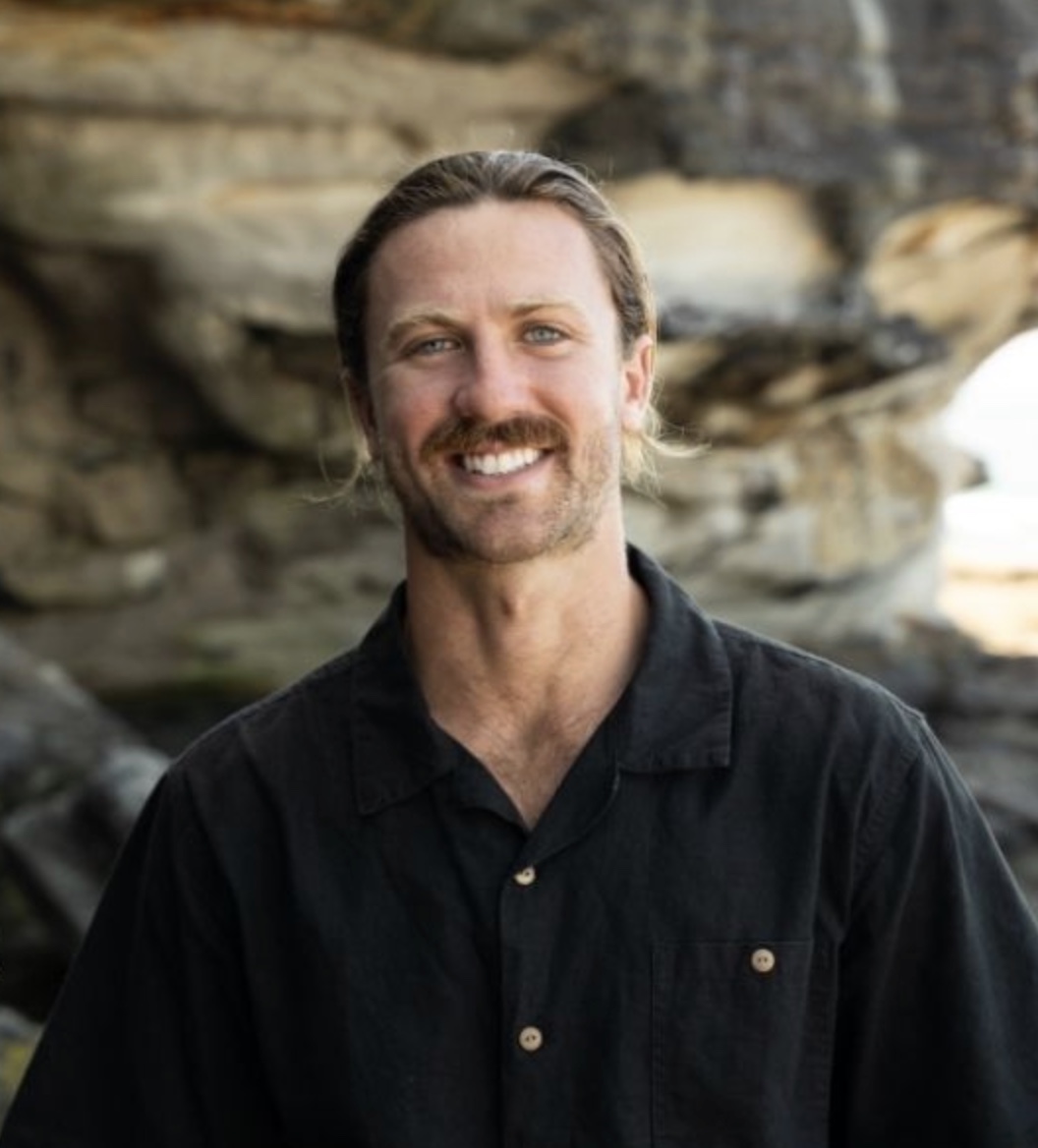
Help your Teen pave their path to Confidence, Resilience & the balance They Need to Thrive
A personalised 1–1 mentoring program helping young minds build emotional wellbeing, healthy routines, academic skills and real confidence.
Currently Onboardingb enrolments for Term 4 2026!
1 in 4 young Australians experience mental health challenges, PAVE gives them the tools, habits and support to rise above it.
Currently taking new enrolments for Term 4 2026!


Why Choose pave?
Because teens today face pressures no generation have dealt with before. Academic overload, social media, expectations, comparison and self-doubt (it’s a lot).

Rapport and connection first. A safe, calm, non-judgemental space to chat and move.
Activities, movement, exercise. From walks to surfing, to training.

Matching your young person with a trusted mentor who reads their energy, listens deeply, and makes them feel seen, safe and heard.

Evidence-based tools for emotional regulation,organising, prioritising and breaking down thoughts, feelings, and day to day life.

Structured guidance across academics, health and wellbeing.
Connection first, tools and structure when it's needed.
The Old Way
sometimes we'll try

- Lectures and education
- Restricting and taking away devices
- Hoping school will fix things
- Therapy that doesn’t feel relevant
- Asking them to “just focus”
But teens today lack:
- A trusted, consisent adult or third space, outside school and home
- Emotional regulation tools
- Consistency with sleep, nutrition and movement
- Organisational systems and structures
- Genuine confidence and resilience
- Safe spaces to process stress, friendships, school and identity
The PAVE way
(Step Through methodology)
Intentionality → identity → ownership
Instead of forcing change, PAVE mentors model it.
Through real life, side by side activities, authentic conversations,connection and exploration, your young person will:

- Have a trusted adult to connect, have fun, move and help build their direction
- Build healthy routines and habits
- Study and organise themselves effectively
- Learn to Observe, Reflect and Connect with themselves and others.
- Take ownership and responsiblity
- Feel proud and confident in themselves
- Learn to manage their stress and emotions, and develop the ability to reframe, and change the lens in which they percieve life.
The perfect balance between evidence, frameworks and an "intentionaly unstructured", non clinical, fun and engaging environment for young people.
This isn't a theory we've read about. It's been built off years of working 1-1 beside young people.
Three Pillars.
One Integrated Program.
All mentoring sessions focus on growth across:
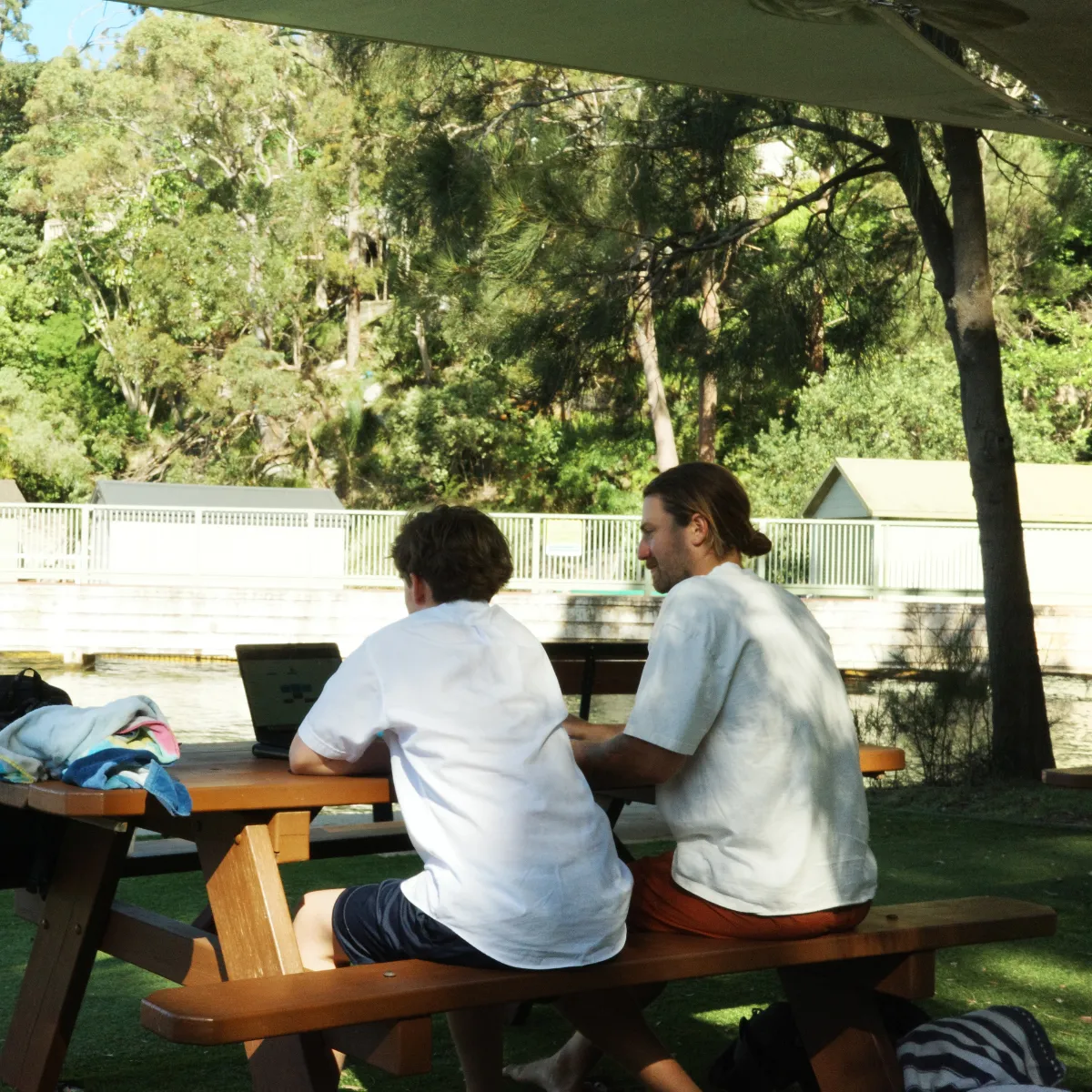

Wellbeing
- Connection and consistency
- Emotional regulation
- Stress management
- Personalsied tools and reframes
- Confidence and self-awareness
- Support without judgement

Academics
- Time management
- Planning and organisation
- Study skills that match their learning style
- Independence and accountability
- Stronger follow-through on schoolwork

Health
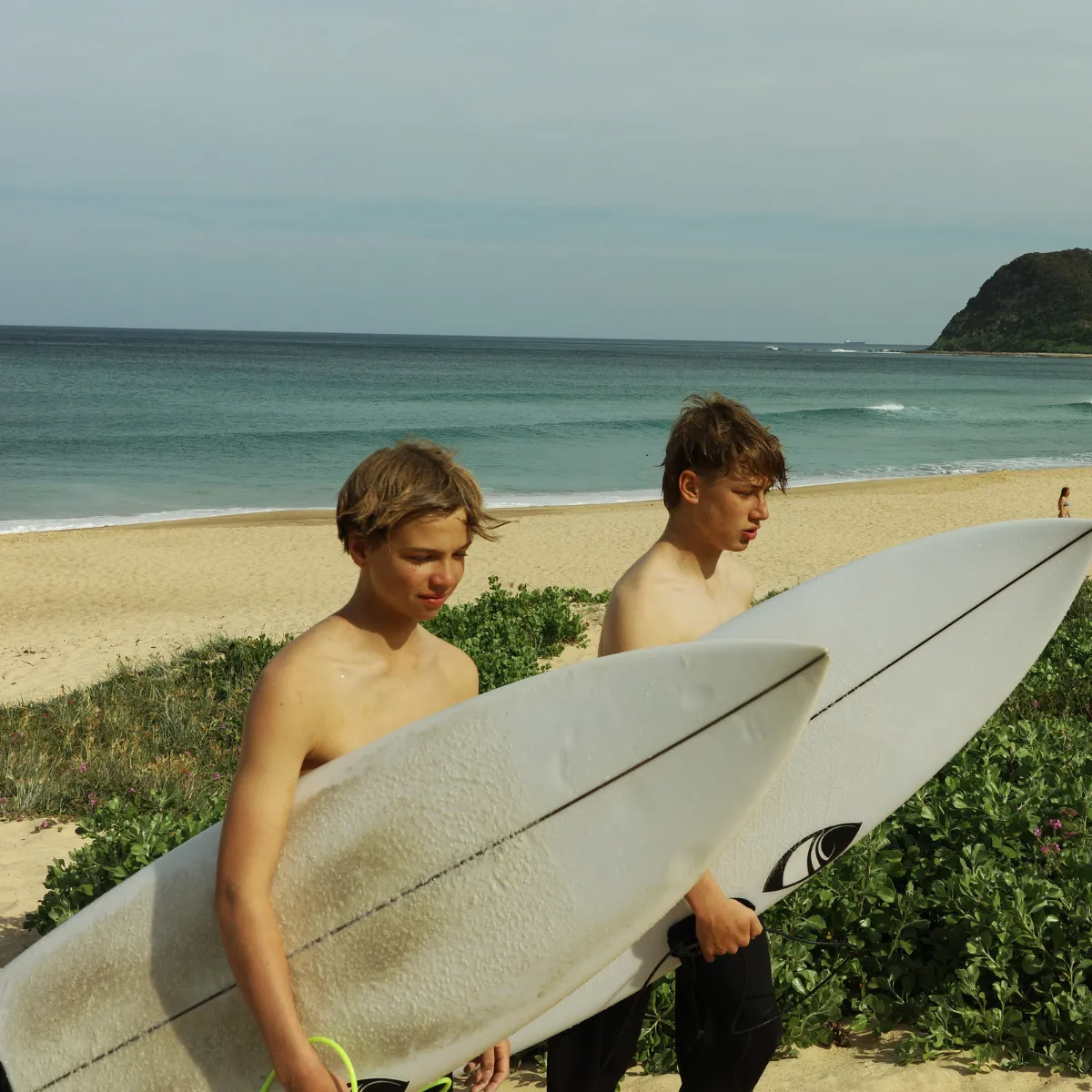
- Finding passion in movement
- Activities and trying new things
- Rest and recovery
- Nutrition support (Parent Nutrition Guide included)
- Building sustainable healthy habits
WHAT’S INSIDE
Initial 6 Month Mentoring Program
Up to 2 hour sessions. Designed around giving your young person the space to feel seen, safe and heard.
Support Inbetween sessions
For moments inbetween: stress, friendship issues, study overwhelm or just having someone to share good news with.

Parent Communication and Support
Both formal and informal updates so you always know what’s happening and where your teen is improving.
PAVE Nutrition Parent Guide
Evidence-based strategies for supporting teenage nutrition.

PAVE Student Study Resource
A complete guide to study habits, revision, planning and learning systems.
Meet first, then commit
A free walk and talk to meet your mentor first. You only commit once the fit feels right.
What a pave session actually looks like
We take mentoring out of the classroom and into the real world.
Checkout some activities we're partnered with, and why...
- Navigating impulse: reading the route before reacting, learning to pause and plan under pressure
- Visualisation: picturing the path, then committing to it, a skill that carries straight over to goals and problems off the wall
- Sitting in the hard: staying with something difficult instead of walking away the moment it gets uncomfortable
- Working with fear: managing nerves and height in a safe, controlled way
- Visible wins: every route finished is real, felt progress that quietly rebuilds self-belief
- Emotional awareness: noticing and naming what is happening inside, instead of being swept along by it
- Self-regulation: steadying the breath and the body when everything says panic
- Discomfort passes: a felt lesson that hard feelings are temporary and survivable
- A tool they can carry: a reference point to reach for when stress, anxiety or big emotions hit
- Always run safely, supervised, and age appropriate
- Discipline and routine: showing up on the days motivation is low, which is the real muscle being built
- Effort over outcome: progress they fully control, in a world where teens control very little
- Confidence in their own body: a stronger, healthier relationship with how they see themselves
- Energy, sleep and mood: movement as a simple lever for feeling better day to day
- Momentum they can measure: small progress that transfers into self-belief at school and at home
- A positive outlet: channelling stress and restlessness into something that builds them up
- Presence: fully in the moment, off the phone, reading the conditions
- Patience and resilience: waiting, wiping out, getting back up, again
- Reset: the regulating, mood-lifting effect of open water on a busy mind
- Respect and awareness: reading the ocean builds real risk and self awareness
- Study skills that stick: planning, prioritising, and breaking big tasks into manageable steps
- Executive function: focus, follow through, and learning to manage their own workload
- No household tension: progress made in a calm, neutral space, not across the dinner table
- Momentum and ownership: small wins that make school feel doable again
- Quiet confidence: proving to themselves they can actually do this
- Unforced connection: the talks that never happen on demand happen naturally, side by side
- Nutrition, gently: a real world look at fuelling body and mind, with no lectures
- Trust: the relationship that makes every other part of the work actually land
- A human moment: a calm, normal pause in an overloaded week
Real Outcomes Teens Experience
Wellbeing Outcomes
- Manage stress and emotions effectively
- Build genuine confidence
- Improve communication and self-awareness
- Develop resilience + coping strategies

Academic Outcomes
- Plan and prioritise better
- Build lasting study habits
- Increase organisation and independence
- Strengthen problem-solving skills
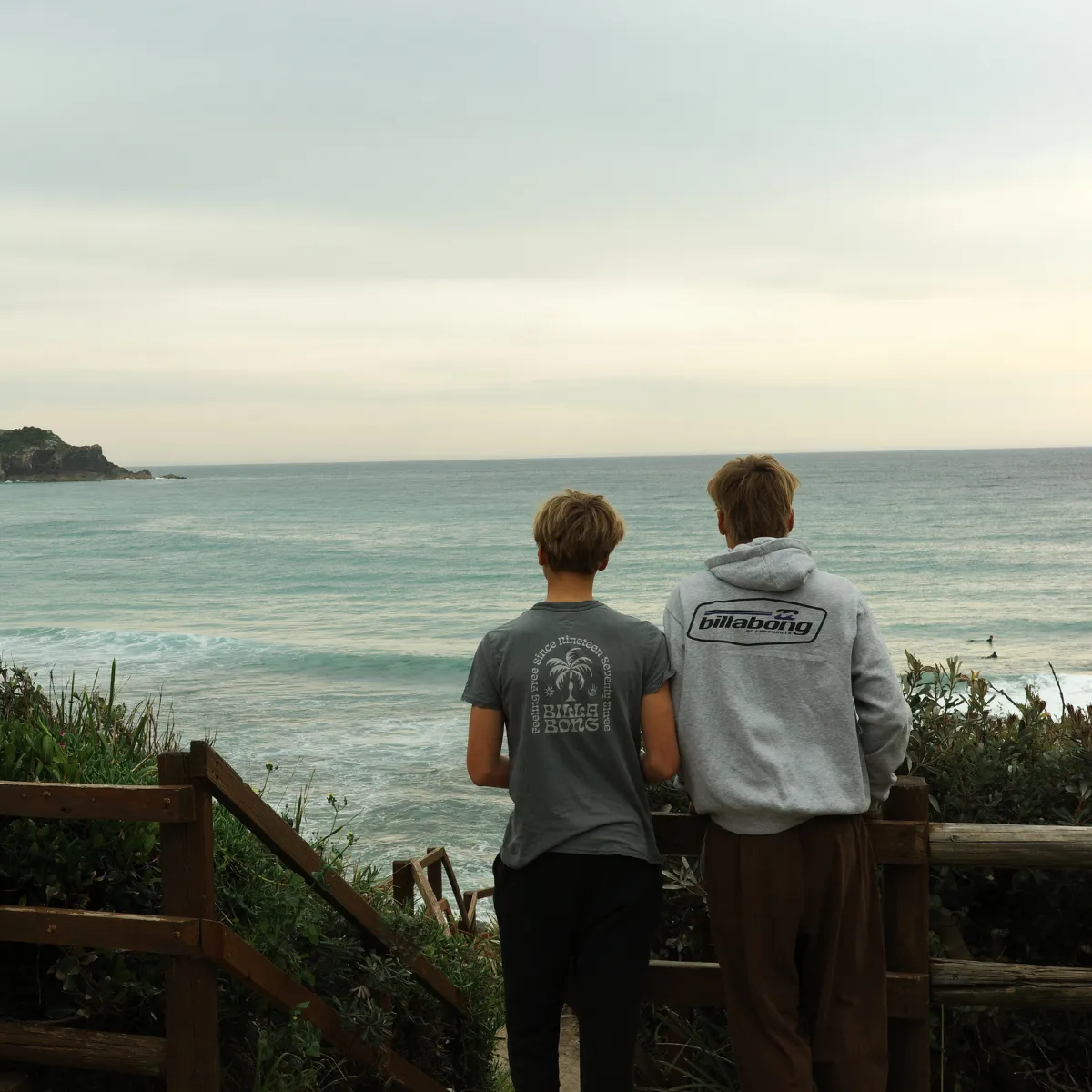
Health Outcomes
- Consistent movement
- Better sleep
- Improved nutrition habits
- Balanced lifestyle
- Passion and direction in life

A Pathway That Grows With Your Teen
Every teen enters at the right point for their age and stage and continues with the same mentor as they grow
Ages 11–12
Beginnings
A first step that starts with them. Ten weekly catch-ups built around what your child already might enjoy, side by side with a mentor who listens, earns their trust and helps them feel more like themselves. Low pressure on the surface. Purposeful underneath.
An early pathway before Foundations
10 weeks · 10 catch-ups · 90 minutes
Ages 13–18+
Foundations
PAVE's core program. Consistent 1:1 mentoring across health, academics and wellbeing, guided by our Step-Through Methodology. We build rapport first, so when growth gets challenging, your teen leans in rather than pulls away.
Meet your mentor first before any commitments
10 week cycles · up to 2 hours · weekly or fortnightly · 6 month minimum
How it all works
Every Foundations program is guided by the Step-Through Methodology, PAVE's approach to helping teenagers grow in a way that sticks. Health, academics and wellbeing are where we work. These three steps are how your teen grows.
Intentionality
Doing things with purpose.
↓
With their mentor alongside them, your teen starts noticing where their time, energy and attention go, and begins making small, deliberate choices about sleep, movement, study and the people around them.
↓
This is where direction starts.
Identity
Knowing who they are.
↓
As routines settle, the focus shifts to what your teen values, what they're good at and what they want for themselves.
↓
Confidence built on self-knowledge holds up far better than confidence borrowed from grades, likes or other people's approval.
Ownership
Owning what comes next.
↓
This is where independence takes hold. Your teen takes responsibility for their routines, schoolwork and choices because it matters to them, not because someone is checking.
↓
At home, it often shows up as fewer reminders and fewer battles.
Frequently asked questions
Yes, PAVE mentors build trust through calm, matched energy and non-judgemental conversation.
No. PAVE is mentoring, not therapy. Our mentors aren't clinicians, and we don't diagnose or treat mental health conditions.
What we offer is different: a consistent, trusted mentor who helps your teen build healthy routines, study skills, confidence and practical ways to manage everyday stress. Often that happens while moving, outdoors or even over food, rather than across a desk.
Mentoring and therapy can work well side by side. Therapy is a space to work through what's going on. Mentoring can be where they build the habits, confidence and support to carry that into everyday life.
If we ever feel your teen needs more support than mentoring can offer, we'll talk with you openly and help you find the right professional support.
We make sure the mentor is the right fit before anything happens. Every session adapts to your teen’s needs, energy, mood and challenges. We'll discuss your why, your goals, as well as theirs so everyone is getting as much out of it as they need.
This is something we see and hear often, motivation isn't the important part. Once they meet their mentor and realise what its about they'll want to show up. Connection, movement and consistency help teens build motivation and discipline from the inside-out.
Carefully based on personality, communication style, interests and needs. You can see each mentor's background and characteristics on our Meet the Mentors page.
Yes. Every mentor holds a relevant tertiary qualification - education, exercise science, health coaching, or similar - plus training specific to teen development, and several specialise in areas like ADHD and neurodivergence. All mentors hold a WWCC.
INCLUDED TOOLS & SUPPORT

- Mentee Community Page and Events
- Inbetween Session Mentor Support
- Parent Communication + Updates
- Access to Community Group Programs
- Study Resource Pack
- Nutrition Guide
- Discounted Access To Recommended Activities (wellness space, gyms, indoor climbing)