One pattern I see often when working with teenagers, families and even adults is something psychologists call the Drama Triangle, developed by psychiatrist Stephen B. Karpman.
It shows up in everyday situations more than people realise. But when you're aware of it, label it, reflect on it and step through it, it's powerful.
The Three Roles We Fall Into
There are three roles people tend to fall into when things feel stressed, emotional or overwhelming.
- The Victim: “This always happens to me.” “I can't do anything about it.”
- The Persecutor: “This is your fault.” “You should have known better.”
- The Rescuer: “Don't worry, I'll fix it.”
The tricky part is that people jump between these roles very quickly and easily.
How the Triangle Spins
I've seen parents start as the rescuer, trying to solve a problem for their child. The teen feels like a victim, believing everything is happening to them. Then frustration builds, and suddenly someone becomes the persecutor, blame, anger or criticism appear.
The triangle keeps spinning, and no one is actually moving forward.
I see this dynamic often with teenagers navigating school, friendships, pressure and expectations. The situation may look different each time, but the pattern is the same: the feeling of being stuck, the need to fix, and a spark of frustration.
The Way Out: Creator, Coach, Challenger
Instead of staying inside the triangle, there's a pathway forward. A pathway where we step out of blame, rescue and helplessness, and move into something constructive.
Instead of being the Victim, we help young people become the Creator, someone who asks, “What can I do about this?”
Instead of the Rescuer, we become the Coach, or the mentor, someone who supports, asks questions, and guides without taking over.
Instead of the Persecutor, we become the Challenger, someone who holds standards and boundaries, but with calm and respect.
What This Looks Like in Practice
The goal isn't perfection. Teenagers will still feel overwhelmed. Their parents will still want to jump in and solve the problems. It's normal and to be expected.
But when we slow down, take a breath, or even use a code word to prompt it, we shift roles, from reacting, to responding, to guiding.
This is where young people begin to realise they have more agency than they thought. They start learning how to solve problems, regulate emotions and take responsibility for their path.
“No one else paved it, but me.” Not because someone forced them to think, but because someone walked beside them long enough to help them find their feet.
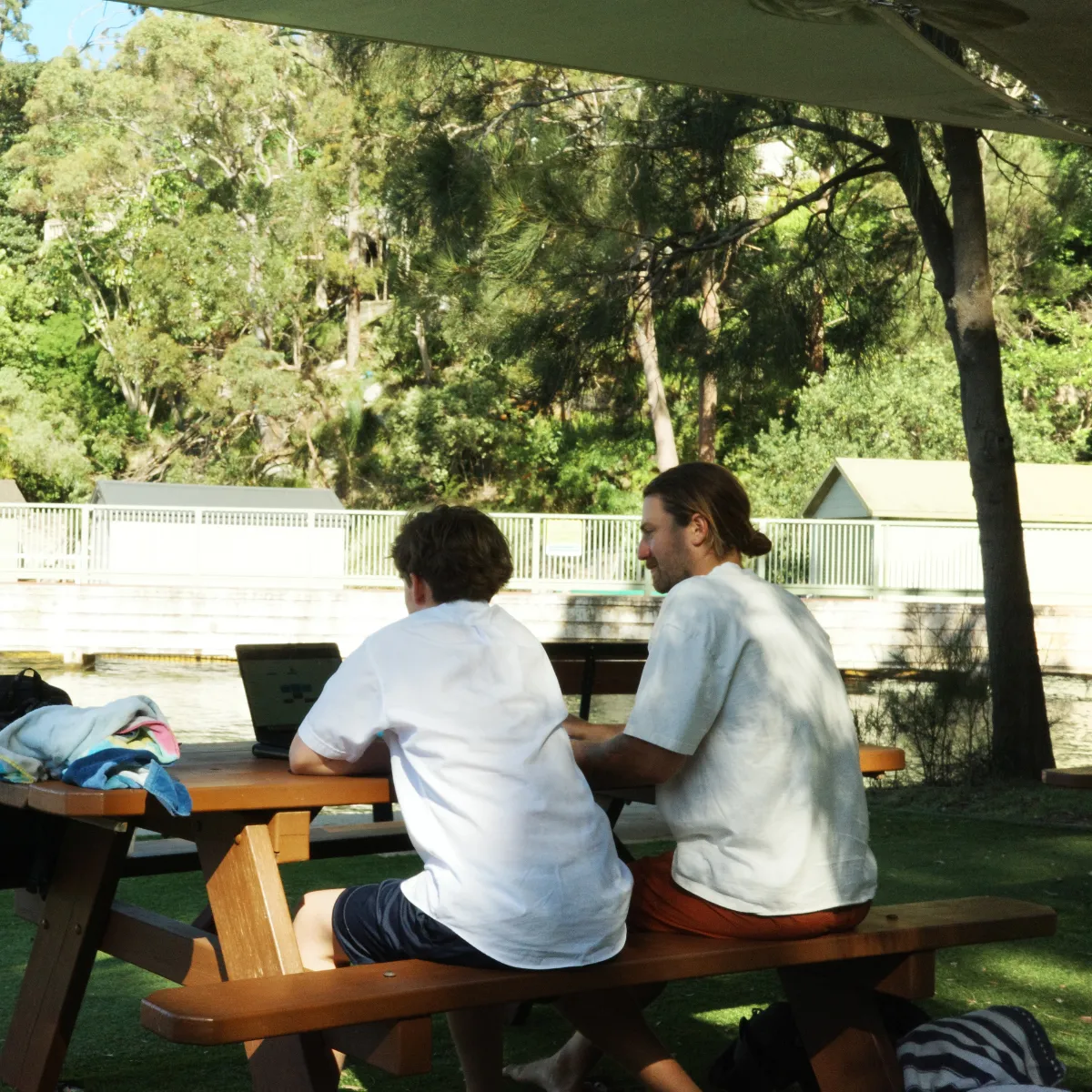
That is what mentoring is really about. There's no fixing, no rescuing, it's simply helping someone pave their own way forward.
A Note for Parents
If you recognise your family in this pattern, you're not alone, it's more common than most people realise. A mentor can often help a teenager step into the Creator role faster than a parent can alone, simply because the relationship carries less history.